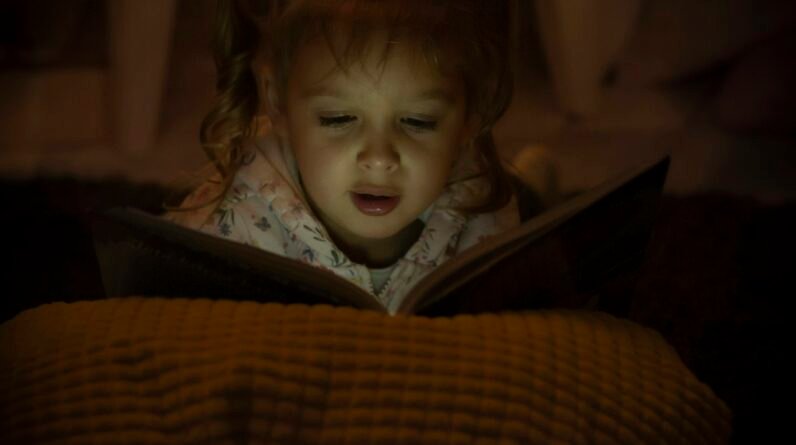
Best Age Appropriate Bedtime Stories for Kids: 12 Essential Picks
Choosing a bedtime story can feel harder than it sounds. A book that delights a preschooler may feel too long for a tired child, while an older reader may be ready for a chapter or a more involved plot. The right choice depends on your child’s age, interests, reading experience, and how much energy they have at bedtime.
When selecting the Best Age Appropriate Bedtime Stories for Kids, it is essential to consider the age and preferences of your child.
This guide shares book ideas by age, including the Best Age Appropriate Bedtime Stories for Kids, ways to match story length and reading level, and simple tips for keeping storytime gentle and enjoyable. It covers toddlers and preschoolers through older children, with a special focus on creating a calm, repeatable bedtime routine for young families.
In this guide, we will highlight the Best Age Appropriate Bedtime Stories for Kids that cater to different age ranges.
How to choose an age-appropriate bedtime story
Age can be a helpful starting point, but it is not a strict reading-level rule. Some children enjoy listening to longer stories, while others prefer a short, familiar book they can follow and join in with. Consider these five things when choosing a story:
- Length: Choose a story that fits the time and attention your child has available that evening. A short picture book may be just right on a busy night.
- Language: Look for words and sentence patterns your child can understand, while still leaving room to discover a new word or idea.
- Tone: For bedtime, many families prefer a gentle pace, low-stakes events, and a reassuring ending.
- Interests: Animals, familiar routines, friendship, and imaginative settings can all help a child feel engaged. Follow your child’s current interests.
- Re-reading: A familiar favorite can make storytime feel predictable. It is fine to read the same book several nights in a row.
If your child is still settling into a bedtime routine, you may also find these guides useful: how to build a bedtime routine that works and creating a storytime ritual that sticks.
Bedtime story ideas by age and reading stage
To ensure a delightful experience, consider exploring the Best Age Appropriate Bedtime Stories for Kids that not only engage but also align with their developmental needs. The Best Age Appropriate Bedtime Stories for Kids can greatly enhance their bedtime ritual.
The Best Age Appropriate Bedtime Stories for Kids are those that resonate with your child’s interests and developmental stage, providing a wonderful way to end the day with the Best Age Appropriate Bedtime Stories for Kids.
The suggestions below are starting points, not rules. You can read a book aloud even if your child is not ready to read it independently. Likewise, an older child may still enjoy picture books and short, familiar stories.
Remember, the Best Age Appropriate Bedtime Stories for Kids can foster a love for reading that lasts a lifetime.

Ages 3–5: toddlers and preschoolers
For many children in this age group, picture books with rhythmic language, repetition, and clear illustrations make inviting read-alouds. Keep the experience flexible: pause to look at a picture, let your child repeat a familiar phrase, or simply read through without questions if they are ready to rest.
- Goodnight Moon — a quiet, familiar bedtime read with a steady rhythm.
- The Very Hungry Caterpillar — an illustrated story that introduces counting and colors.
- Brown Bear, Brown Bear, What Do You See? — repetition and a predictable pattern invite children to join in.
- Where’s Spot? — an interactive lift-the-flap book that can make shared reading playful.
Bedtime tip: If your child is tired, choose one short favorite rather than trying to finish a longer book. For more ideas, see bedtime stories for tired toddlers and preschool bedtime stories.
Ages 5–7: kindergarten and early readers
Children in this stage may enjoy both picture-book read-alouds and early-reader books. If your child is practicing reading, you can take turns: read a page aloud, invite them to try a sentence, or let them listen while you do the reading. Keep bedtime reading relaxed rather than turning it into a test.
- Elephant & Piggie series — short, dialogue-driven books with humor and expressive illustrations.
- Frog and Toad — gentle, short stories about friendship and everyday experiences.
- Decodable phonics readers — books designed around the letter-sound patterns a child is learning can support practice when the child is in the mood to read.
- A Sick Day for Amos McGee — an illustrated story about kindness and caring for friends.
Bedtime tip: Follow your child’s energy. If they want to practice reading, try a few pages together; if they are sleepy, read aloud and leave the practice for another time. Explore reading stories for kindergarten for more ideas.
Ages 7–10: growing readers
Some children are ready for short chapters and longer plots in this age range. A shared chapter book can become a nightly ritual: read to a natural stopping point, then pick up where you left off the next evening. If the story feels too exciting right before sleep, save it for earlier in the day and choose a quieter book at bedtime.
- Charlotte’s Web — selected chapters offer opportunities to enjoy an animal story and talk about friendship and care.
- Magic Tree House series — short chapters combine adventure with historical or educational settings.
- Mercy Watson series — humorous, accessible chapter-book stories.
- Short moral-story collections — brief stories can open up gentle conversations about choices and relationships.
Bedtime tip: Agree on a stopping point before you begin, especially if your child finds it hard to pause a story. You can also read a calmer book after an adventurous chapter to help wind down.

Ages 11–15: older children and tweens
Older children may enjoy chapter books, short fiction, or choosing their own reading. Their bedtime preferences can vary widely: some want a quiet, familiar story, while others prefer a more complex plot. Let them help choose a book and consider reading together if that still feels enjoyable to both of you.
For older children, consider introducing the Best Age Appropriate Bedtime Stories for Kids that challenge them while still being enjoyable.
- Wonder — a novel with themes of empathy and belonging; consider whether its emotional moments suit your child for bedtime.
- The Chronicles of Narnia — selected chapters offer fantasy and adventure, though some scenes may feel intense for a bedtime read.
- Short-story anthologies — a complete story can provide a natural stopping point for an evening.
- Contemporary middle-grade novels — let your child choose a book that matches their interests and reading comfort.
Bedtime tip: Ask whether your child wants a read-aloud, quiet independent reading, or a few minutes to talk about the day. Older children may appreciate having a say in how the routine works.
Short stories or chapter books: which format should you choose?
Choosing the right format can help when deciding on the Best Age Appropriate Bedtime Stories for Kids.
There is no single format that works for every child or every night. A short illustrated story can be an easy choice when time is limited, while a chapter book can create a sense of continuity for children who enjoy following a longer story.
- Short illustrated stories: A useful option for younger children, especially when they enjoy pictures, repetition, and a clear ending.
- Early-reader books: Can offer children who are learning to read a chance to practice familiar words and patterns with support.
- Short chapters: Give growing readers a way to follow a longer story while pausing at a planned point.
- Audio stories: Can be convenient during travel or when an adult is not available to read, but choose content and volume that suit your family’s routine.
For children around ages 3–6, start with a story that is short enough to finish comfortably and calm enough to fit the mood you want at bedtime. You can explore more options in our guides to short bedtime stories for kids and non-scary bedtime stories.
For younger children, the Best Age Appropriate Bedtime Stories for Kids should include vibrant illustrations and engaging narratives.
How to make storytime feel calm and predictable
A bedtime story does not need to be a special performance. A simple, repeated routine can help your child know what comes next. Try these gentle steps and adjust them to fit your household:
- Choose the story together: Offer two suitable options so your child can have a small choice without turning book selection into a long negotiation.
- Make the space comfortable: Settle in with a cozy blanket and softer lighting if that works for your family.
- Read at an unhurried pace: Use a comfortable voice and pause naturally. There is no need to make every line dramatic.
- Keep the ending gentle: Finish with a familiar goodnight phrase, a cuddle if your child wants one, or a quiet moment together.
- Repeat what works: A favorite story or the same sequence of bedtime steps can make the routine feel familiar.
Here is a short, optional wind-down script you can use before reading:
“Let’s get cozy. Feel the bed supporting you. Take a slow breath in, and gently breathe out. We can enjoy our story together. When the story is finished, it will be time to rest. Goodnight.”
Keep the breathing natural and comfortable; your child does not need to follow a particular pattern. If a relaxation exercise makes them uncomfortable or more alert, skip it and move straight to the story.

Simple ways to make stories engaging without winding up bedtime
Children often enjoy participating in a story, but the amount of interaction that feels right can change from night to night. Try one small idea at a time:
- Use a familiar detail: Include a favorite toy, animal, or place in a made-up story.
- Repeat a comforting phrase: A short line that returns throughout the story can make it easy for your child to join in.
- Invite one gentle question: Ask what their favorite part was, or what they think a character might do next. If they are sleepy, let them listen without answering.
- Tell a tiny story: Choose a familiar character, give them one small, peaceful activity, and finish with a clear goodnight.
- Let your child draw the idea earlier in the day: At bedtime, use the drawing as a starting point for a brief story if they enjoy that activity.
Three easy bedtime story prompts
- For younger children: A sleepy bear finds a soft blanket, looks at five stars, and settles into its cozy bed.
- For early readers: A favorite toy takes a quiet imaginary trip and returns home just in time for bedtime.
- For older children: A character finds a small note in a peaceful garden and discovers a kind message from a friend.
Keep homemade bedtime stories low-pressure. If your child wants to change the plot or repeat the same idea, follow their lead and end when the moment feels right.
Inclusive and sensory-aware story choices
Inclusive choices in the Best Age Appropriate Bedtime Stories for Kids can help children feel represented and understood.
Children and families have different languages, interests, and sensory preferences. Look for books that reflect your child’s world and offer a format they can comfortably enjoy. Depending on the child, that might mean a bilingual edition, a sturdy board book, a large-print book, an audio read-aloud, or a story with a simple and predictable sequence.
If your child benefits from extra predictability, you might show them the bedtime steps in a small picture schedule and let them know which story you will read. For individual accessibility or sensory needs, a trusted educator or specialist can help you adapt the routine to your child.
For more support with gentle routines and emotional connection, read how to make bedtime feel safe and how to use connection time before bed.
Build a simple weekly bedtime reading plan
A weekly plan can make choosing a book easier, but it should stay flexible. You do not need a different book every night, and you can repeat a favorite whenever your child asks.
| Day | Story idea | Simple approach |
|---|---|---|
| Monday | Comforting favorite | Re-read a familiar story. |
| Tuesday | Animal or nature story | Choose a gentle plot with a peaceful ending. |
| Wednesday | Learning or discovery story | Explore one new idea without quizzing your child. |
| Thursday | Funny or playful story | Enjoy a little humor, then close with a calm goodnight. |
| Friday | Longer read or chapter | For children who enjoy it, read to a planned stopping point. |
| Weekend | Child’s choice | Let your child choose from a small selection. |
If you are building a home library, consider borrowing books from your local library, swapping books with friends, or revisiting titles you already own. A small, familiar selection can be enough to get a routine started.
Key Takeaways
By understanding your child’s needs, you can select the Best Age Appropriate Bedtime Stories for Kids to ensure a peaceful night.
- Use your child’s age as a starting point, then adjust for their interests, energy, and reading comfort.
- For younger children, picture books with repetition, clear illustrations, and gentle endings can make approachable bedtime reads.
- Early readers can enjoy a mix of read-alouds and supported practice; keep the experience relaxed.
- Older children may prefer short chapters, independent reading, or choosing their own stories.
- A predictable storytime routine can be simple: choose a book, settle in, read at a comfortable pace, and finish with a familiar goodnight.
- Repeat favorite stories as often as your child wants. The goal is a pleasant shared moment, not completing a reading checklist.
Need a Ready-to-Read Story for Tonight?
Download our free calming 5-minute bedtime stories for simple, gentle stories you can use when you want bedtime to feel easier and more predictable.
Want More Cozy Stories Ready for Bedtime?
Explore The Cozy Bedtime Stories Collection for a larger library of gentle stories designed to make calm storytime easier to repeat night after night.
Explore The Cozy Bedtime Stories Collection
Related Resources
- Bedtime Stories for Kids — browse the main bedtime story library.
- Bedtime Stories for Tired Toddlers — ideas for evenings when your little one is already worn out.
- Non-Scary Bedtime Stories for Kids — gentle story ideas for children who prefer reassuring themes.
- A Bedtime Routine That Actually Works — practical ways to create a repeatable evening rhythm.
- Creating a Storytime Ritual That Sticks — make shared reading a familiar part of the evening.
Frequently Asked Questions
What are good bedtime stories for a 3-year-old?
Look for short, picture-led stories with rhythmic language, repetition, and a gentle ending. Goodnight Moon, The Very Hungry Caterpillar, and Brown Bear, Brown Bear, What Do You See? are examples to consider. Follow your child’s interest and stop when they are ready for sleep.
How do I choose a bedtime story for my child’s reading level?
Consider whether your child will be listening, reading with you, or reading independently. Choose language they can follow and a length that feels manageable. A child can enjoy a book read aloud even if it is above their independent reading level.
Are short stories or chapter books better at bedtime?
Both can work. Short stories offer a clear ending and may suit younger or tired children. Chapter books can be enjoyable for children who like following a longer plot; choose a natural stopping point and consider saving more exciting stories for earlier in the day.
How can I make bedtime storytime calmer?
Keep the steps simple and familiar: choose a book, settle into a comfortable spot, read at an unhurried pace, and finish with a familiar goodnight phrase. If your child is too tired to participate, let them listen without asking questions.
Can bedtime stories also support learning?
Stories can give children opportunities to hear new words, follow a sequence, and talk about characters and ideas. At bedtime, keep any learning element light and enjoyable. If your child is practicing reading, a few pages together may be enough.
How often should I change the bedtime book selection?
There is no required schedule. Keep a few familiar favorites available and introduce new books when your child shows interest. Re-reading can be part of the comfort of storytime, so there is no need to rotate books just for variety.
Conclusion: start with one story tonight
Don’t forget that the Best Age Appropriate Bedtime Stories for Kids can help establish a healthy sleep routine.
The most useful bedtime story is one your child enjoys and that fits the mood of the evening. Start with a familiar book or choose a short, gentle story together. Keep the routine manageable, repeat what works, and adjust as your child’s interests and reading experience change.
If you want a ready-to-use option for tonight, begin with our free calming 5-minute bedtime stories. You can build from there, one cozy storytime at a time.